
Stock Market Microstructure: Liquidity, Order Flow, Price Discovery, and Breakout Confirmation
Explore market depth in stock trading, liquidity dynamics, and breakout confirmations.
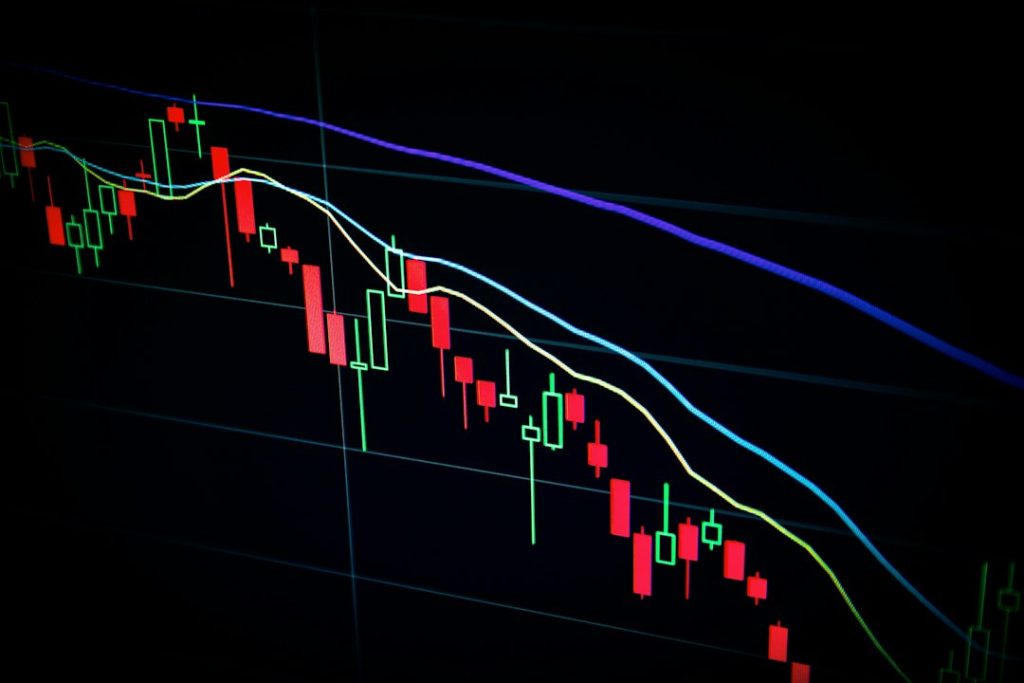
Markets can appear deceptively simple on a price chart. A line rises, falls, consolidates, and eventually breaks into a new range. Behind every visible price movement is a complex interaction between buyers, sellers, orders, liquidity providers, exchanges, and market participants responding to information. Understanding that hidden structure can provide a more practical perspective on why prices move the way they do.
This is where market microstructure becomes useful. Rather than focusing only on whether an asset is rising or falling, microstructure examines how trades are formed, how orders interact, and how prices adjust when supply and demand change. For anyone following the stock market, these mechanics can help explain why some breakouts develop into sustained moves while others quickly lose momentum.
Understanding Liquidity and Market Depth
Liquidity describes how easily an asset can be bought or sold without causing a significant change in its price. Highly liquid securities generally have substantial trading activity and many willing participants on both sides of the market. This allows orders to be executed more efficiently, particularly when traders use marketable orders that interact with available bids and offers.
Market depth provides another layer of information. An order book displays resting buy and sell orders at different price levels, giving participants an indication of available liquidity around the current market price. However, visible depth should not be treated as a complete picture. Orders can be added, cancelled, or modified quickly, while some trading interest may not be immediately visible through the displayed order book.
Liquidity also changes throughout the trading day and in response to market conditions. Major economic announcements, corporate earnings, unexpected news, and periods of heightened uncertainty can alter spreads and available depth. This is one reason experienced market participants pay attention not only to price but also to the conditions under which that price is moving.
Order Flow and the Mechanics of Price Movement
Order flow refers broadly to the stream of buy and sell orders entering the market. When aggressive buyers repeatedly accept available selling prices, transactions can occur progressively higher. Conversely, persistent aggressive selling can consume available bids and push transactions lower. The interaction is continuous, creating the sequence of trades that ultimately appears on a price chart.
The distinction between aggressive and passive orders is particularly important. A limit order can provide liquidity by waiting for another participant to transact against it, while a marketable order seeks immediate execution against available liquidity. Neither type is inherently better. Their significance depends on market conditions, execution objectives, available liquidity, and the willingness of participants to trade at particular prices.
For traders studying the stock market, observing order flow can provide context around conventional technical analysis. A price increase accompanied by sustained buying activity may indicate stronger participation than a similar increase occurring on relatively thin activity. Order flow should not be interpreted in isolation because large transactions can be divided into smaller orders, and displayed activity does not always reveal the full intentions of market participants.
Price Discovery and the Role of Information
Price discovery is the process through which market participants collectively determine the price at which securities can currently be traded. New information can change expectations about a company’s earnings, interest rates, economic conditions, industry prospects, or broader market risk. Participants then adjust their orders, causing the market to incorporate changing expectations into prices.
This process explains why prices can sometimes move sharply without an obvious change in the underlying company at that exact moment. Markets continuously respond to information and expectations rather than simply recording completed business activity. Professional investors, market makers, institutional traders, and individual participants can all contribute to the ongoing process of reassessing value.
Price discovery is also closely connected to competition. When many participants independently respond to information, differences in expectations create buying and selling interest. Transactions occur where those interests meet. The resulting price is not necessarily a permanent assessment of intrinsic value, but rather the current point at which willing buyers and sellers are prepared to transact.
Conclusion
Market microstructure reveals the machinery operating behind familiar price charts. Liquidity determines how easily trades can be executed, order flow reflects the interaction between buyers and sellers, and price discovery shows how information and expectations become incorporated into market prices. Together, these concepts provide a deeper explanation for movements that may otherwise look random.
Breakouts can be particularly interesting through this lens because crossing a price level is only one part of the story. The quality of liquidity, behaviour of orders, participation, and ability of price to remain above or below a key level can all provide additional context. By understanding these mechanics without becoming overwhelmed by every market fluctuation, traders can develop a more informed view of how prices are formed and how market conditions influence trading decisions.
Key Takeaways
- Market microstructure examines how trades are formed, how orders interact, and how prices adjust when supply and demand change.
- Liquidity defines how easily an asset can be bought or sold without significantly altering its price, with highly liquid securities showing substantial trading activity.
- Order flow involves the stream of buy and sell orders entering the market, with aggressive buying causing prices to rise and aggressive selling causing prices to fall.
- Price discovery is the process by which market participants determine the trading price of securities based on new information and changing expectations.
- The displayed order book may not provide a complete picture of market depth, as orders can be quickly added, cancelled, or modified.