
How Businesses Can Use Property and Other Assets to Raise Large-Value Funding
Discover how high-value assets can help businesses raise large-value funding without giving up equity.
Every growing business eventually hits the same wall: big plans, not enough cash on hand. Maybe you’ve landed a contract that needs new equipment fast, or you’re staring down a slow season with bills that don’t slow down. Dipping into working capital to fund growth is risky; it starves the business you’re trying to build. This is exactly where asset-based financing earns its keep. By putting existing holdings like commercial property, machinery, or inventory to work, business owners can raise serious capital without giving up equity or handing control to outside investors.
In This Article
- Why High-Value Assets Are a Smart Financing Lever
- Assets You Can Put to Work
- Commercial and Industrial Real Estate
- Heavy Equipment and Machinery
- Inventory and Accounts Receivable
- Comparing Your Options
- Financing Type
- Collateral Used
- Typical Loan-to-Value
- Best For
- A Real-World Scenario
- Key Factors Lenders Look At
- Final Thoughts
Before you commit to any borrowing route, compare current property loan interest rates, they directly shape how much this capital will cost you over time.
Why High-Value Assets Are a Smart Financing Lever
Recognising the value of the borrowing can lead to significantly different conversations between the borrowing party and the lender. With unsecured loans, expectations are based almost entirely on earnings and credit score, which limits how much one can borrow. On the other hand, secured loans have much more dependence on something tangible: the value of the borrowed assets.
That shift brings a few real advantages:
- Bigger loan amounts — funding is tied to asset value, not just cash flow projections.
- Lower borrowing costs — collateral reduces the lender’s risk, and that usually shows up in your interest rate
- Repayment that bends to your business — many lenders will structure schedules around your actual cash-flow cycle.
- No dilution — you get the capital without selling equity or bringing in new decision-makers
Assets You Can Put to Work
Real estate gets most of the attention, but it’s far from the only lever available.
Commercial and Industrial Real Estate
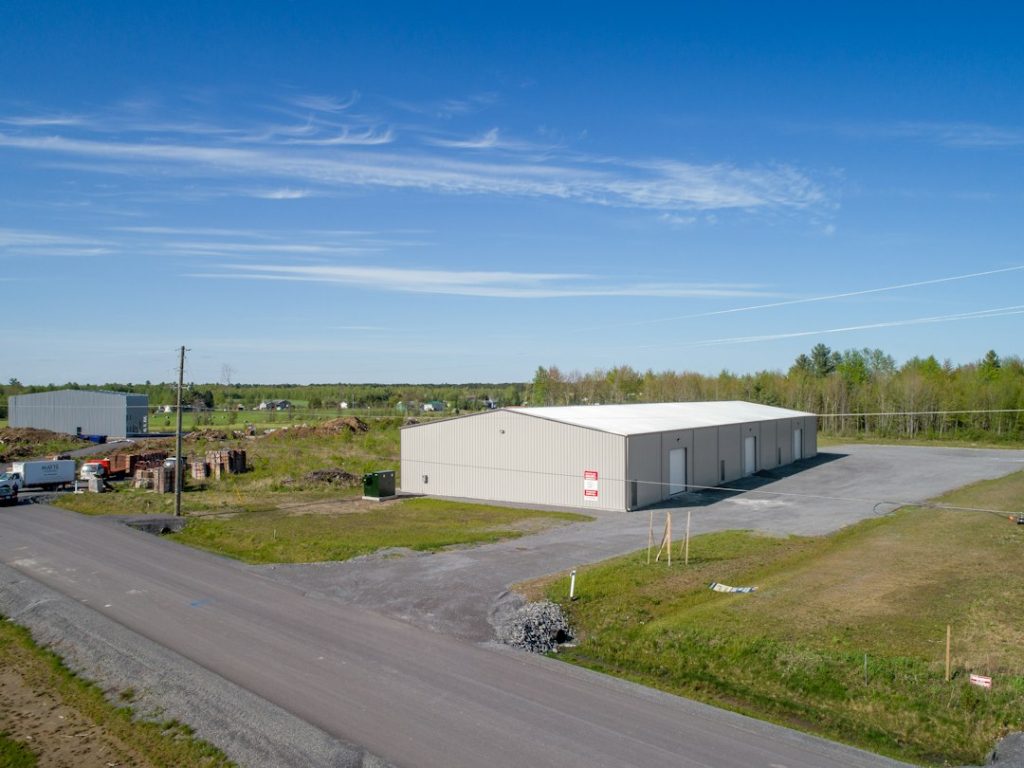
Office buildings, warehouses, and factory space are some of the strongest collateral a business can offer. A loan against property turns a long-term real estate investment into capital you can deploy right now, without selling the asset itself.
Heavy Equipment and Machinery
Manufacturing lines, plant equipment, and transport fleets carry real balance-sheet value. Lenders typically base credit limits on what these assets would fetch on resale, so a well-maintained fleet or machine can go a long way.
Inventory and Accounts Receivable
When firms operate on extended payback periods, financing through documented receivables or quick-selling inventory can provide near-instant liquidity.
Comparing Your Options
The right structure depends on what’s on your balance sheet and how quickly you need the money. Here’s a quick side-by-side:
Financing Type |
Collateral Used |
Typical Loan-to-Value |
Best For |
|
Loan Against Property |
Commercial/residential real estate |
50%–75% |
Long-term expansion, refinancing, large acquisitions |
|
Equipment Refinancing |
Machinery, plant, fleet |
60%–80% |
Upgrading equipment, freeing up locked-in cash |
|
Asset-Based Revolving Line |
Receivables, inventory |
70%–85% (receivables) |
Working capital, seasonal cash-flow gaps |
Once you’ve narrowed down the structure, checking property loan interest rates across a couple of lenders can meaningfully change your total repayment cost, even a one-point difference adds up fast on a large loan.
A Real-World Scenario
A regional logistics company owns its warehouse outright. It’s worth about ₹40 crore. Then it wins a new contract that needs twice as many delivery vehicles within 60 days, but the company doesn’t have enough cash to buy them.
It doesn’t want expensive unsecured debt or to give up part of the business, so it takes a loan against the warehouse instead:
- It gets ₹25 crore at a competitive rate.
- It uses that money to buy the new vehicles in time for the contract.
- The extra revenue from the contract pays off the loan.
The company still owns its warehouse, and now it’s helping them grow.
Key Factors Lenders Look At
Before approving a large asset-backed loan, lenders dig into a few specific areas:
- Valuation and liquidity — independent appraisers assess market value and how quickly the asset could be sold if needed
- Debt Service Coverage Ratio (DSCR) — whether cash flow comfortably covers new payments alongside existing obligations
- The right loan provider — one experienced in asset valuation can make the difference between a smooth approval and a drawn-out negotiation.
- Clean legal title — the asset needs to be free of liens, disputes, or existing encumbrances.
Final Thoughts
You don’t have to choose between expensive debt and giving up a piece of your company to fund growth. Real estate, machinery, and inventory already sitting on your books can do that job instead. Watch property loan interest rates, match the loan structure to your cash-flow rhythm, and turn that idle asset value into the engine that funds your next stage of growth.
Key Takeaways
- Asset-based financing allows business owners to raise capital by leveraging existing assets like real estate and machinery without giving up equity.
- Secured loans based on asset value can result in larger loan amounts and lower borrowing costs compared to unsecured loans that depend on credit score and earnings.
- Common assets that can be used for financing include commercial and industrial real estate, heavy equipment, and accounts receivable.
- Lenders assess the valuation, liquidity, and the Debt Service Coverage Ratio (DSCR) of assets before approving asset-backed loans.
- A regional logistics company successfully secured a loan against its warehouse to purchase delivery vehicles needed for a contract, enabling it to grow without taking on unsecured debt.